Frequent Deck Maintenance Issues: How to Spot and Address Problems Before They Worsen
Maintaining a deck is crucial for both safety and long-term durability. It is common for homeowners to ignore the initial indicators of damage, like cracks and unstable boards. If left unresolved, these concerns can deteriorate at a fast pace. Routine check-ups are effective in identifying moisture issues and pest infestations before they become severe. Being informed on how to handle frequent repairs offers a practical means of saving time and reducing costs. The question remains: what specific steps should one take to guarantee a deck remains in prime condition?
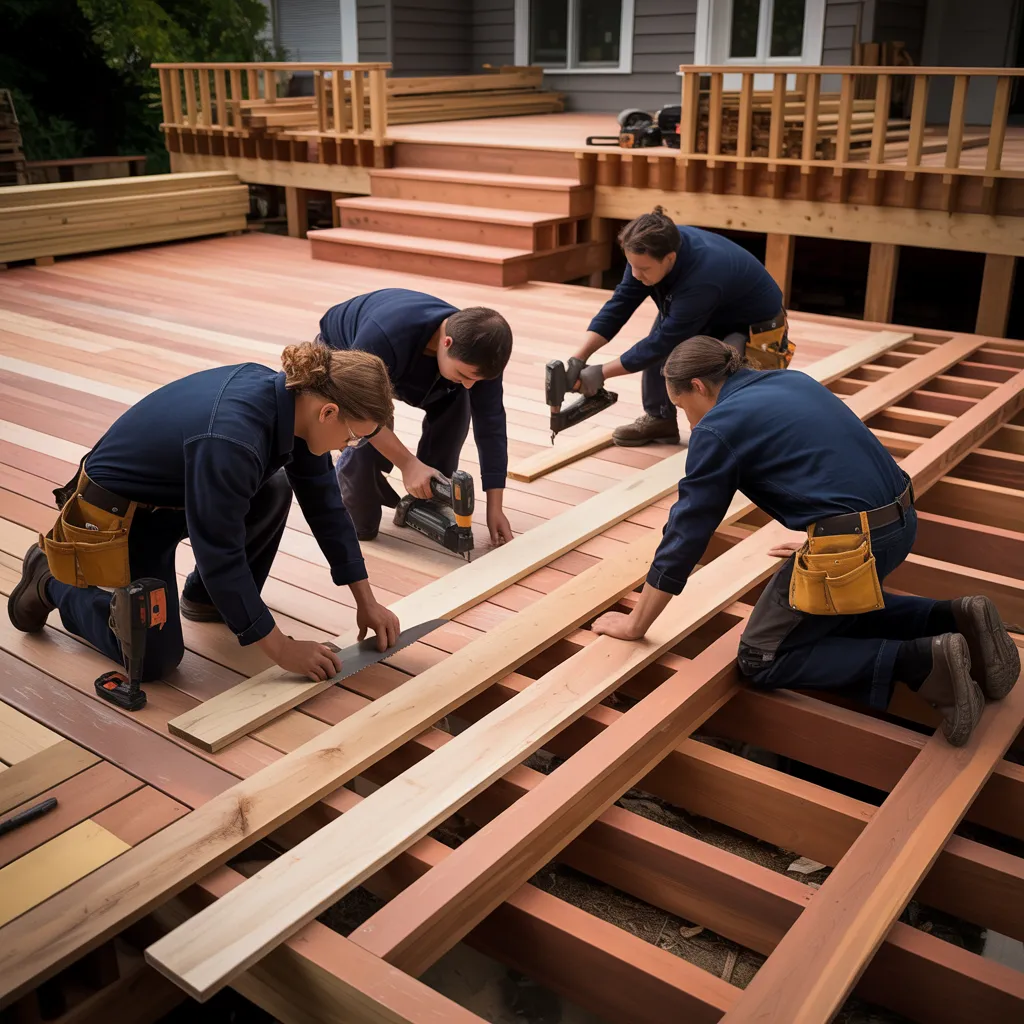
How to Spot Common Deck Damage Indicators
How can one recognize the signs of deck damage? Homeowners should be vigilant for several indicators that may suggest their deck requires attention. For starters, cracks or splits that are visible in the wood can weaken the structure and cause further deterioration. Second, signs of water damage, such as discoloration or mold growth, indicate excess moisture, which can weaken the materials. Third, loose or protruding nails may pose a safety hazard and require prompt repair. Additionally, if the deck feels spongy or bouncy underfoot, it may signal underlying rot or decay. Periodic examination of the railing for sturdiness is also critical, as railings that are not secure can cause serious accidents. Lastly, finishes that are peeling or worn away may indicate that the deck requires re-sealing or re-staining to guard against weather damage. Dealing with these issues at an early stage can save homeowners from more extensive and costly repair work later on.
Why Regular Deck Cleaning and Maintenance Matters
Regular deck cleaning and maintenance play a vital role in maintaining the integrity and look of exterior living spaces. As time passes, debris, dirt, mold, and mildew can build up, leading to potential rot and deterioration. Routine cleaning not only enhances the visual appeal but also prevents long-term damage. Homeowners should aim to sweep and wash their decks regularly, eliminating leaves and other organic matter that tends to trap moisture.
In addition, applying a protective sealant can protect the wood from environmental exposure, prolonging its durability. Checks carried out during cleaning allow for prompt recognition of damage and deterioration, such as spots or color changes, which can point to underlying concerns. Maintaining a clean deck cultivates a safer setting, minimizing the chances of slips and falls. Ongoing upkeep ultimately benefits homeowners financially by decreasing the demand for costly restorations, guaranteeing that outdoor areas stay welcoming and usable for years ahead.
Deck Repair: Addressing Loose and Wobbly Boards
Loose or wobbly boards can compromise the structural integrity and appearance of a deck, making prompt repairs essential. Property owners should start by pinpointing the root cause of the instability, which often stems from loose fasteners or deterioration of the wood. Fastening loose screws or replacing damaged nails can fix minor concerns, but if boards are considerably damaged, replacement may be necessary.
To repair a loose board, one should first remove it, check for rot, and substitute any deteriorated components. When reattaching, utilizing proper fasteners and ensuring they are driven at the correct angle can enhance stability. When dealing with unsteady boards, installing blocking or bracing below the impacted section can deliver added structural support. Routine checks can stop these issues from worsening, maintaining a safe and inviting exterior space. Adhering to these steps not only preserves the deck's structural soundness but also elevates its visual appeal.
Restoring Cracked or Splintered Deck Wood
Repairing cracked or splintered deck wood necessitates precise evaluation of the affected areas to ensure successful restoration. Learning about various techniques and materials available can substantially extend the durability and structural integrity of the deck. Tackling these problems in a timely manner not only enhances the visual appeal but also guards against continued degradation.
Spotting Cracks and Splinters
A thorough inspection of a deck frequently uncovers numerous fractures and splinters that can affect both its structural integrity and aesthetic appeal. These flaws can stem from natural wear and tear, water exposure, or improper maintenance. Cracks may vary in size, spanning from hairline fractures to significant splits, while splinters often extend from the wood surface and can present safety risks. Detecting these problems early is vital; homeowners should regularly examine steps, railings, and deck boards for any evidence of deterioration. Noticeable splinters and cracks should be documented, as they may suggest more serious underlying issues. Resolving these problems in a timely manner can prevent further deterioration and confirm the deck continues to be safe and aesthetically pleasing for the foreseeable future.
Restoration Techniques and Materials
To repair cracked or damaged deck wood, homeowners must use proper repair methods and suitable materials. To begin, thoroughly cleaning the affected area is necessary; debris and dust should be removed to guarantee proper adhesion. For superficial cracks, applying a wood filler or epoxy is recommended, carefully smoothed to match the surface. After drying, sanding the repaired area produces a smooth and seamless finish. For larger or more extensive damage, swapping out individual boards could be required. Homeowners should opt for pressure-treated lumber or composite materials for long-lasting results. After repairs, treating the wood with a weather-resistant stain or sealant will defend against moisture and UV exposure, increasing the overall longevity of the deck. Consistent upkeep can avoid future damage and keep the deck looking its best.
Dealing With Worn or Compromised Bolts and Screws
When performing deck repairs, spotting corroded fasteners is vital for maintaining structural integrity. Deteriorated hardware can undermine safety and visual appeal, making immediate replacement essential. Addressing these issues promptly ensures the deck's long-term durability and guards against continued degradation.
Identifying Rusty Fasteners
How can one effectively identify rusty fasteners when evaluating deck repairs? Rust is frequently a telltale sign of deteriorating fasteners. A visual inspection should be conducted, focusing on screws, bolts, and nails. Rust appears as reddish-brown discoloration, often flaking or powdery in texture. Furthermore, assessing the structural soundness of the fasteners is essential; any indication of bending or weakening points to deeper problems. An easy way to test involves trying to tighten the fastener; if it rotates without any resistance, it could be stripped or compromised. External conditions, including prolonged moisture exposure, can speed up the formation of rust, making regular inspections necessary. Identifying these rusty fasteners early helps prevent more extensive damage to the deck structure.
Substituting Faulty Hardware Components
Swapping out worn hardware is critical for preserving the structural integrity of a deck. Deteriorating or broken fasteners can weaken structural stability, resulting in serious safety concerns. Periodically checking fasteners enables early identification of issues, helping to prevent costly damage. During hardware replacement, choosing corrosion-resistant materials, including stainless steel or galvanized fasteners, is key to ensuring long-lasting performance. Taking out deteriorated fasteners might call for a power tool or a hammer, depending on how deeply embedded they are. When the worn fasteners are extracted, new hardware should be secured in accordance with the manufacturer's recommendations. Accurate spacing and alignment are essential for optimal load distribution. By tackling damaged hardware without delay, homeowners can increase the longevity of their decks and boost overall safety.
Keeping Your Deck Safe from Moisture Damage
Moisture infiltration can silently undermine the structural stability of a deck, causing expensive repairs and potential safety risks. To prevent this issue, regular maintenance is essential. Homeowners should guarantee adequate drainage surrounding the deck, directing water away from its structure. Additionally, sealing the wood with a high-quality water-repellent finish can create a barrier against moisture intrusion.
Periodic inspections for evidence of wear, such as splits or cracks, enable early intervention. It is also important to keep downspouts and gutters clear, as blocked systems can result in water pooling near the deck. Furthermore, applying a breathable, moisture-resistant membrane can help protect the deck's underside from excess moisture. In addition, keeping soil and plants away from direct contact with the deck surface will limit moisture retention. By applying these measures, deck owners can substantially lower the risk of moisture damage and increase the longevity of their outdoor spaces.
Preventing Pests That Damage Your Deck
Defending a deck from pests is essential for sustaining its structural integrity and aesthetic appeal. Pests such as carpenter ants, termites, and wood-boring beetles can create serious destruction if not addressed promptly. Routine inspections are essential; homeowners should check for evidence of infestation, such as sawdust or small holes near the wood. Employing preventive content measures can greatly reduce risks. Maintaining a debris-free deck and proper drainage helps prevent pest activity. Moreover, using pest-resistant materials during construction can provide long-lasting protection. Applying a sealant or stain can also create a barrier against moisture and pests. Consistent maintenance, including resealing and cleaning, is key to preserving the deck. Property owners should think about incorporating natural repellents, like diatomaceous earth or essential oils, which can effectively repel pests without harming the environment. By proactively addressing these concerns, homeowners can preserve their decks and enhance their outdoor living spaces.
Understanding When to Hire a Professional for Deck Repairs
Identifying the indicators of pest damage is crucial for preserving a deck, but tackling more serious problems frequently necessitates the help of a professional. Property owners should remain alert to structural issues, such as significant cracks, bowing, or extensive rot, that compromise safety. When the soundness of the support beams or joists is doubtful, reaching out to a qualified expert is the best course of action.
In addition, when major repairs surpass standard maintenance capabilities, such as renewing large areas of wood or handling foundational challenges, skilled help can verify that proper procedures and materials are employed. Specialists can additionally uncover hidden problems that may not be instantly noticeable, such as moisture-related deterioration or pest-related damage.
Ultimately, if a repair seems overwhelming or beyond personal expertise, reaching out to a qualified contractor can prevent further deterioration and safeguard the deck's longevity. Acting on this decision promptly can help conserve time, reduce costs, and avoid possible safety risks.
Questions We Often Receive
How Often Should I Inspect My Deck for Damage?
Decks ought to be examined no fewer than twice per year, ideally in spring and fall. Regular assessments can help identify potential damage early, enabling prompt repairs and keeping the deck safe and operational.
What Tools Are Essential for DIY Deck Repairs?
Key tools needed for DIY deck repairs consist of power tools and hand tools such as a drill, saw, hammer, measuring tape, level, pry bar, and safety equipment. These tools allow for thorough evaluation, removal, and substitution of worn components, guaranteeing a secure and solid deck.
Should I Use Regular Paint on My Deck?
Applying standard paint to a deck is not recommended; it can trap moisture and lead to damage. Stains and paints formulated for decks are built to endure exterior elements, guaranteeing extended life and preservation of the wood.
What Is the Best Way to Choose the Right Deck Material for Repairs?
Picking the ideal decking material for repair work entails evaluating aesthetic preferences, durability, weather resistance, and maintenance needs. Alternatives like PVC, wood, and composite each deliver distinct advantages, so thorough research is necessary before committing to a choice.
What Are the Indicators That I Need to Replace My Whole Deck?
Indicators that signal the necessity of a full deck replacement encompass severe structural instability, widespread warping, significant insect damage, persistent water retention, and extensive rot. Such problems undermine the safety and functionality of your deck, requiring prompt attention and possible replacement.